Motorcycle insurance in Ontario can vary considerably between riders, motorcycles and insurance companies. Your licence, riding experience, driving record, location, motorcycle type and selected coverage can all affect your premium.
If you have ever requested a quote and wondered, “Why is this so expensive?” you are not alone. Motorcycle insurance is a specialty product, and not every insurer accepts every rider or motorcycle.
The good news is that several practical steps can help you find suitable coverage at a fair price—without leaving important risks uninsured. This guide explains what Ontario riders should review in 2026, what affects pricing and what to have ready before requesting a quote.
Ontario law generally requires a motorcycle to be insured before it is operated on a public road. The mandatory coverage includes at least $200,000 in third-party liability protection, although many riders choose a higher limit after discussing their financial exposure with a broker.
Ontario motorcycle policies also include other protections required under the province’s automobile insurance system, including uninsured automobile coverage and applicable statutory accident benefits.
Coverage protecting the motorcycle itself is generally optional and may include:
Review the Financial Services Regulatory Authority of Ontario’s Ontario motorcycle insurance guidance for more information.
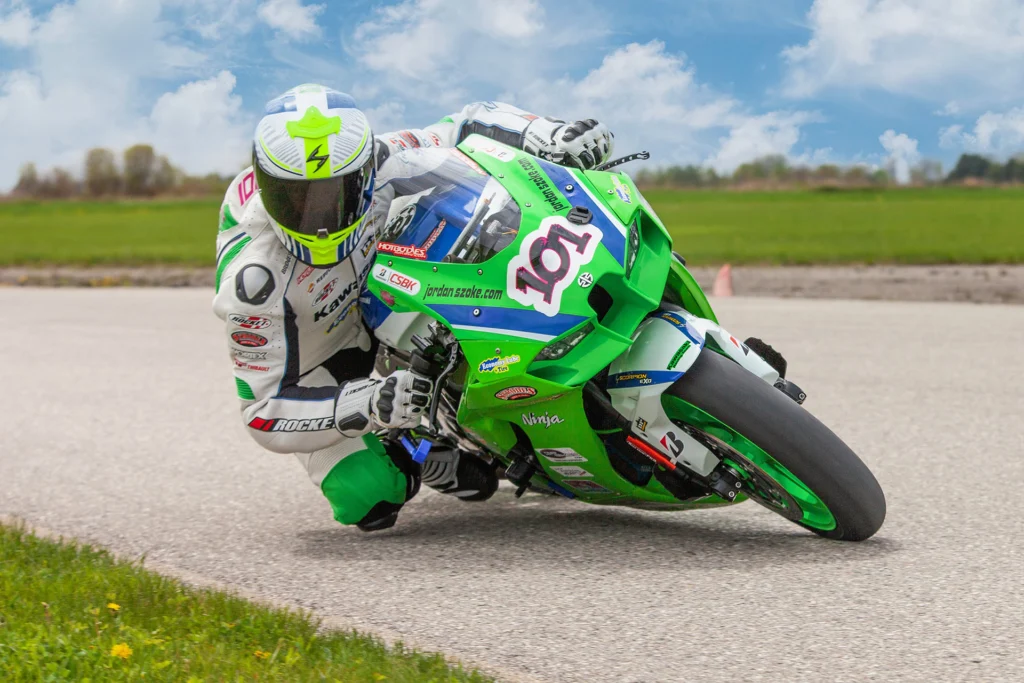
Track and racing use may require specialized motorsports coverage and should not be assumed covered by standard road motorcycle insurance.
Ontario’s accident-benefit rules changed on July 1, 2026. For policies entered into on or after that date, medical, rehabilitation and attendant-care benefits remain mandatory. Other benefits—such as income replacement, caregiver, housekeeping, death and funeral benefits—are optional.
This makes a proper coverage review especially important for motorcycle riders. The lowest-priced quote may not include all the optional benefits you would want following a serious accident.
Before choosing or changing coverage, consider:
Read AIM Insurance’s explanation of the Ontario auto insurance changes for 2026, or speak with a broker about how the changes apply to you.
There is no single motorcycle insurance price that applies to every rider. Insurers consider a combination of rider, motorcycle and coverage information.
Common rating and eligibility factors include:
Two riders of the same age can receive very different quotes when their motorcycles, licence history, location or selected coverage differ.
Your motorcycle licence level can affect insurer eligibility and pricing. Some insurers accept M1 riders, while others require an M2 licence or additional experience.
Before purchasing a motorcycle:
An M2 or full M licence does not automatically guarantee a lower premium, but licence progression, training and accumulated riding experience may improve your options.
Review Ontario’s current motorcycle licensing requirements before planning your riding season.
A government-approved motorcycle safety course can improve your riding skills and may help with insurance eligibility or pricing. Discounts and underwriting rules vary between insurers, so a course does not guarantee a particular rate.
Keep your completion certificate and provide it when requesting quotes. You can find a current list of government-approved motorcycle courses through the Province of Ontario.
The motorcycle itself is one of the biggest factors affecting price and availability. A sport bike, custom motorcycle or large-displacement model may cost considerably more to insure than another motorcycle with a similar purchase price.
Before signing a purchase or financing agreement, provide the broker with the exact year, make, model and vehicle identification number where available.
Quoting the motorcycle first can help you avoid buying a bike that is unexpectedly expensive—or difficult—to insure.
Your insurer needs an accurate description of how and where the motorcycle is used and stored.
Disclose:
Incorrect information can create serious problems at claim time. If you are unsure how to answer an application question, ask the broker before submitting it.
Aftermarket exhaust systems, custom paint, upgraded suspension, luggage, electronics and performance modifications may not be fully covered unless they are disclosed and accepted by the insurer.
Keep receipts, photographs and appraisals for significant upgrades. Ask whether the policy has an accessory limit or whether additional coverage is needed.
Owners of highly modified motorcycles can also review AIM’s custom motorcycle insurance information.
A cheaper quote may carry higher deductibles, lower liability protection or less physical-damage coverage. Compare quotes using the same limits and options whenever possible.
Review:
Some insurers may offer better pricing when your motorcycle is insured alongside your auto, home or another motorcycle.
Ask your broker to compare:
Compare the total household cost. A motorcycle discount is not helpful if another bundled policy becomes substantially more expensive.
Ontario’s $200,000 liability requirement is a legal minimum, not a recommendation for every rider. Serious injuries or lawsuits can exceed a low liability limit.
Ask your broker to explain the price difference between available liability limits and review the optional accident benefits introduced under Ontario’s 2026 changes.
The goal is to understand the financial risk you retain—not simply to choose the lowest number on the quote.
Motorcycle policies and premiums can reflect seasonal use differently. Paying monthly does not necessarily mean you are buying insurance one month at a time.
Cancelling during winter may:
Ask your broker whether year-round comprehensive protection, a storage arrangement or another insurer-approved option is available. Never ride the motorcycle until the required road coverage has been properly reinstated and confirmed.
Do not wait until renewal if you:
A quick conversation can prevent incorrect information from becoming a claim problem.
Track days, speed tests and motorcycle racing are not ordinary road use. Ontario automobile insurance conditions prohibit using an insured automobile in a race or speed test.
If your motorcycle is used for racing, organized competition, track events or motorsports activities, disclose that use before participating. You may need specialized protection for storage, events, liability, medical risks or other motorsports exposures.
Learn more about AIM’s motorsports coverage. Never assume that a standard road motorcycle policy covers track or competition use.
Providing complete information at the beginning helps the broker obtain more accurate quotes and reduces the chance of a premium change later.
Motorcycle premiums reflect factors such as rider experience, licence level, driving record, motorcycle type, engine size, location, theft exposure and the potential cost of an injury claim. High-performance motorcycles may also have fewer available insurers.
It may be possible, but not every insurer accepts M1 riders. Eligibility will depend on the motorcycle, your age, driving history, training and other underwriting information. Confirm coverage before purchasing a bike.
An M2 licence may improve eligibility or pricing with some insurers, but a reduction is not guaranteed. Insurers also consider how long you have been licensed, your training, motorcycle and driving record.
It may. Some insurers recognize approved training when determining eligibility or price. Keep your certificate and ask your broker to include it with every quote.
Yes, but insurer availability and premiums can vary considerably. Certain insurers may decline specific high-performance models or require additional riding experience.
Do not cancel without first reviewing the consequences with your broker. Motorcycle premiums may already reflect seasonal use, and cancellation can leave the bike uninsured against theft, fire or vandalism while it is stored.
Not necessarily. Policies may have a limit for accessories or aftermarket equipment. Disclose all modifications and ask whether receipts, photographs, an appraisal or additional coverage are required.
Standard road insurance should not be assumed to cover a track day, race or speed test. Disclose the activity and arrange any specialized motorsports coverage before participating.
AIM Insurance is an independent Canadian brokerage with experience helping motorcycle riders compare coverage for cruisers, touring motorcycles, sport bikes, custom motorcycles and vintage bikes.
Explore AIM’s motorcycle insurance options.
Let’s have a conversation. Call 1-877-246-4869 (1-877-AIM-4TMW), or contact AIM Insurance to request a motorcycle insurance quote.
This article provides general information only. Eligibility, premiums, discounts, limits, deductibles and coverage vary by insurer, rider and policy. Your issued insurance contract governs any claim.