Riding a motorcycle is one of the best ways to enjoy the road — but it also means you’re more exposed than you would be in a car. The good news: the right protective gear can make a major difference in both comfort and safety, whether it’s 30°C and sunny or a chilly autumn morning.
Below is a practical, no-nonsense guide to what to wear every ride, regardless of the temperature.
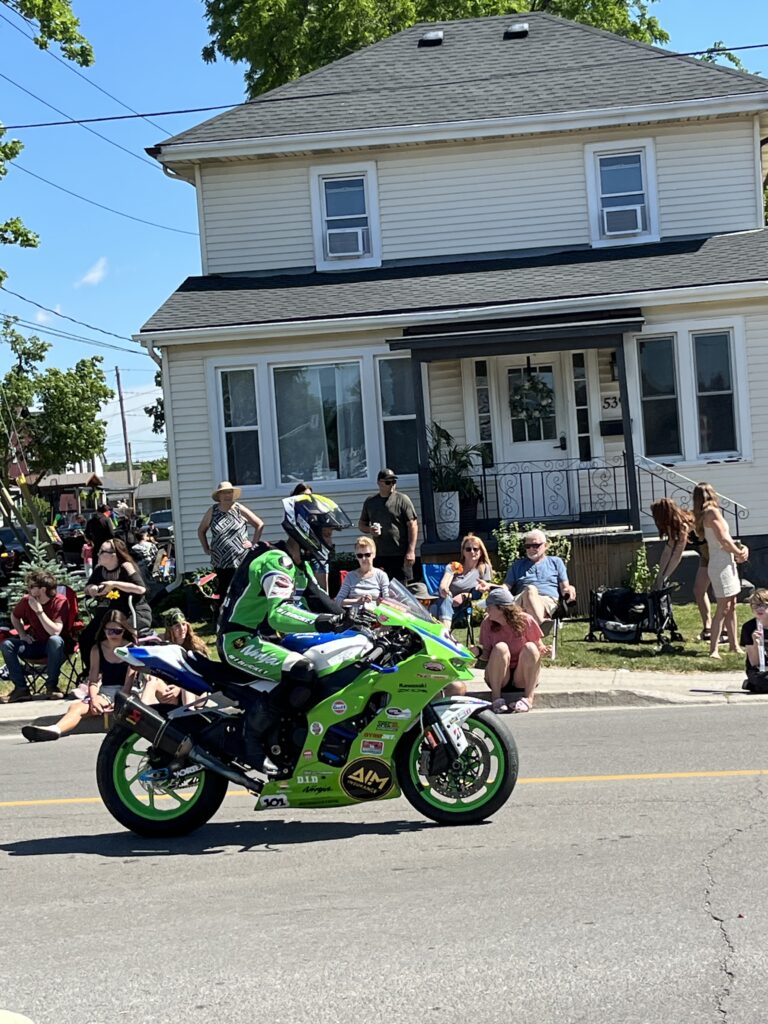
You’ll hear riders sayATGATT: All The Gear, All The Time. It’s not about looking hardcore — it’s about reducing injury risk and staying focused because you’re not distracted by wind, cold, heat, or road debris.
A helmet is non-negotiable, and full-face helmets offer the most complete protection.
Look for safety ratings (DOT, ECE, or Snell)
Make sure it fits snugly (no pressure points, but no wobble)
Replace it after any impact, and consider replacement every 5 years (materials degrade)
Hot weather tip: Choose a helmet with strong ventilation and a clear anti-fog strategy (Pinlock or quality anti-fog insert). Cold weather tip: Use a breath guard/chin curtain and consider a balaclava to reduce wind chill.
A proper riding jacket does two jobs:
Abrasion resistance (sliding protection)
Armor at key impact points (shoulders, elbows, back)
Materials to consider:
Leather: excellent abrasion resistance; can be hot without vents
Textile (Cordura/Kevlar blends): versatile, often more weather-friendly
Mesh (reinforced): best airflow for heat, but make sure it’s a reputable, reinforced riding mesh — not fashion gear
What to look for:
CE-rated armor (ideally Level 2 for back protection)
A snug fit so armor stays in place
Reflective panels for visibility
In a fall, most riders instinctively put their hands out. Gloves are a must.
Look for knuckle protection and palm sliders
Choose a secure wrist closure (gauntlet or tight cuff)
Hot weather tip: Ventilated gloves still need real protection — airflow shouldn’t mean thin, unarmored material. Cold weather tip: Layer with glove liners or use insulated gloves; keep dexterity so you can brake and clutch smoothly.
Regular denim tears quickly in a slide. Riding pants are designed to resist abrasion and hold armor in place.
Good options:
Textile riding pants (often with waterproof liners)
Armored riding jeans with Kevlar/aramid reinforcement
Leather pants for maximum abrasion resistance
Key features:
CE-rated knee armor (and ideally hip armor)
A fit that doesn’t ride up when seated
Your feet and ankles are vulnerable in tip-overs and slides.
Choose over-the-ankle motorcycle boots
Look for reinforced toe, heel, and ankle protection
Non-slip sole and secure closure (zippers + Velcro, buckles, or laces with a cover)
Hot weather tip: Perforated or vented boots can still be protective. Cold weather tip: Waterproof boots + warm socks beat bulky footwear that reduces control.
A lot of riders dress for the temperature standing still — but riding adds wind chill and dehydration risk.
Hot weather: moisture-wicking base layers help sweat evaporate and keep you cooler under a jacket
Cold weather: thermal base layers + windproof mid-layer keep warmth in without restricting movement
Rain: a waterproof outer layer or integrated waterproof gear keeps you dry and reduces fatigue
Even the best gear can’t help if drivers don’t notice you.
Use reflective accents (jacket, helmet, or vest)
Choose brighter gear when possible
Keep your visor clean and scratch-free
Full-face helmet
Armored jacket (shoulders/elbows/back)
Gloves with knuckle + palm protection
Riding pants with knee (and hip) armor
Over-the-ankle motorcycle boots
Protective gear isn’t about fear — it’s about freedom. When you’re properly geared up, you can ride more comfortably, stay focused, and enjoy the road with more confidence.
If you’d like, we can also help you review your current motorcycle coverage and make sure your policy matches how (and where) you ride. Call 877-AIM-4TMW or visit https://www.theaim.ca to have a conversation.